MOCHE-UNC
ARCHAEOLOGICAL FIELD SCHOOL IN PERU
WHAT TO BRING TO PERU
Table of Contents for this Page
- Lightweight cotton clothing is best for the coast. You
should bring pants and shorts (or dresses), long sleeve and short sleeve
shirts, and a sweater or light jacket for mornings and evenings. Raincoats
are not needed. Temperatures range from about 55 to 80 degrees. Remember
to bring some warm clothes for mornings and nights. The ocean
water is rather cold in the summer, too cold really for swimming, but you
may want to bring a swimsuit to layout on the beach.
- Bring enough cloths so
that you can go one week without washing any clothes.
- Towels
- Sheets
and blanket for a single bed or sleeping bag.
- Two 1-quart or two 1-liter water bottles. These are for
carrying your drinking water to the site.
- Daypack to carry your water, dig kit, and other stuff to
the site.
- Lightweight hiking shoes. Heavy hiking boots tear up
the floors that we excavate. Lightweight canvas and leather hiking shoes
are good. Running shoes are not a good idea because they don’t provide
much lateral support, which is bad for climbing to the site.
- Dig Kit (see below)
- A money belt. Either one that goes around the
waist, neck, or under the shoulder. This is the safest way to carry your
money, plane ticket, credit card (Visa since MasterCard is not widely
accepted), ATM card, and passport. Carrying money in your backpack or
pockets is an invitation to theft. There are people in Peru who make their
living picking pockets and slashing open backpacks.
- The usual toiletries. Soap, shampoo, toothbrush,
toothpaste, razors, etc. can be purchased in Peru, of course, but it’s
more convenient to bring enough for the month. If you forget something,
you can buy these items in Huanchaco. .
- Hat
- Bandanas
- Sunscreen, 15 or higher is recommended.
- Sunglasses are a must.
- Hand sanitizer. Also available in Peru.
You will need to bring a dig kit with the following things:
- A trowel. Trowels are not available in
Peru.
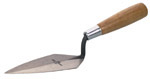
The kind of trowel you need is a Pointing
Trowel with wood handle and a 4.5-by-2.25-inch blade. The shorter
the blade the better it is for excavating. It must have a short, a flat
blade, and wood handle. Do NOT bring a gardening trowel.
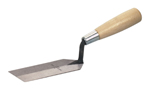
Some people prefer a square-nosed trowel, which is known as
a Margin
Trowel, with a wood handle and a 5-by-2-inch blade. The blade
should be no longer than 5 inches. Marshaltown
makes the best trowels.
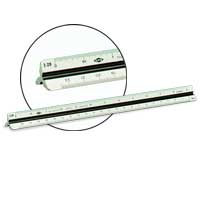
- Metric
engineers scale. A triangular-shaped ruler with six different
scales. This must be metric, NOT inches. If you can’t find
one, bring a metric ruler.
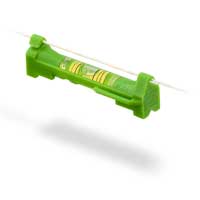
- Line
Level. Line
levels are about 2 inches long and are shaped like a small tube with hooks
on either end so that they can be hung on a line. They are filled with
liquid and have a window in the center where you can see the bubble when
it is level. They cost about 2 or 3 bucks and are available at any
hardware store. They are used in archaeological excavations to measure
elevations. A string is tied to a datum stake that has a known elevation,
and a line level is attached to the string. Elevations can then be
measured (for instance, the elevation of a floor that you’ve just
excavated) by pulling the string tight, leveling the string by looking at
the bubble in the line level window, and then measuring down from the
string with your metric tape.
- 3- or 5-meter tape. It must have a metric scale.
- Large paint brush with about a 4-inch wide brush. Small brushes are
useless.
- Clipboard. .
- Work gloves. Essential to keep you from getting blisters.
Also useful for climbing among rocks when you are working on the mapping
crew.
- Mechanical pencil, eraser, and a black Sharpie Magic
Marker. The
last item is for labeling bags and tags.
- Travel alarm clock.
- Flashlight, for when the power goes out.
- Sandals or flip-flops for after hours.
- Books for free time.
- Music. You’ll thank yourself for this. The lab has
speakers for a MP3 player.
- Peruvian electric current is 220 volts, not the US
110. You'll need to buy a transformer (available at Radio Shack and
Best Buy) to run any electrical gadgets you bring down. Batteries
are readily available in Peru.
- Camera. When you fly, carry your camera onto your
plane. I know several people who have had cameras or other valuables
stolen out of luggage that they checked in at the counter.
- It’s best NOT to bring expensive jewelry to Peru,
because of the possibility of theft. If you do bring jewelry or other
valuables, it is best to carry them with you onto the plane.
- If you wear glasses, you may want to bring a spare pair
with you. Glasses are very cheap in Peru (around 30 bucks for
frames and lenses) so you might want to bring your prescription down and
get a spare pair made in Trujillo.
- I recommend carrying a copy of your vaccination
records. Ideally, your vaccinations should be recorded in an International
Health Certificate, which should be available at a doctor’s office or a
public health office. You can request one when you receive your
immunizations.
- You should bring enough
extra money for meals on Sundays, and your personal
expenses. Buying your Sunday meals at a restaurant can cost from $6 to
$16 dollars a day. Personal expenses include such things as soft drinks,
beer, laundry, city buses, taxis, and souvenirs. Departure taxes cost $4
at the Trujillo airport and $25 at the Lima airport. Your field school
fees cover all lodging, meals 6 days a week, north coast bus trip, and
entrance fees to museums and sites (Chan Chan,
the Moche Huacas, and local museums).
- US dollars are easy to
cash anytime, anywhere. Bring only nice new bills with no tears. Moneychangers will refuse old and
ripped bills. You should take enough
money in cash for the first few days in Huanchaco.
- ATMs are found
throughout Peru and are very convenient. There are two in Huanchaco.
The machines pay in Soles or dollars and offer the option of doing the
transaction in English.
- The safest way to carry
money is travelers’ checks, preferably in small denominations (20s and
50s). You should use an international brand, such as American
Express. Travelers’ checks, however, limit you to changing money at
banks (open Monday through Friday until 6:00 PM). Some students find
this inconvenient. Cashing traveler’s checks can be a bit of a
hassle because of the long lines at banks. You also have to pay banking
fees to cash the checks, and you get a lower exchange rate than cash. The
advantage of travelers’ checks is that if they are stolen or lost, you can
get a refund.
- You should carry your
travelers check numbers and the receipt separately from the checks in case
your checks are stolen. Also, leave a copy of the receipt and the check
numbers at home with someone whom you can contact if you lose your copy of
the check numbers in Peru.
- Credit cards are
accepted at many hotels, restaurants, and gifts shops in Peru. Visa is
much more widely accepted than MasterCard. You also can use a credit
card to get a cash advance at banks. They pay the cash advance in Soles
(the Peruvian currency), not in dollars. I always take a credit card to
Peru for emergencies. I keep my account number and customer service phone
number separate from the card in case it is lost or stolen, and I need to
cancel it.